


LIFE RAFT is a program designed to give families facing high-risk pregnancies the specialized breastfeeding support they need—before birth, in the hospital, and throughout the first year of their baby’s life.
High-risk pregnancies often involve medical complications, prenatal fetal diagnoses, or anticipated NICU stays. These situations can make breastfeeding more challenging, though breast milk is especially beneficial for infants with complex medical needs. LIFE RAFT was created to close that gap.

Specialized antepartum education:
Twice-monthly breastfeeding classes tailored specifically to people with high-risk pregnancies. Sessions can be attended in person or virtually and are FREE.

Preparation for common challenges:
Topics include establishing milk supply after preterm delivery or surgery, feeding considerations for infants with congenital conditions, and managing lactation while using necessary medical therapies.

“Fourth trimester” support:
Information covered in our "Prepared to Feed" class helps families plan for the 4th trimester.
Choose the Class That's Right for You
Live Virtual Class
-
Join a live class led by a LIFE RAFT Instructor
-
Learn the complete breastfeeding curriculum in one session
-
Ask questions and receive answers in real time
-
Learn from the instructor and a Labor & Delivery nurse
-
Talk with other expectant parents during the class
-
Receive guidance based on your questions and needs
-
Attend virtually from wherever you are

Upcoming Live Classes
Prepared to Feed: Breastfeeding & Pumping in Complex Births
September 24
Thursday
6-7:30pm EST
November 19
Thursday
6-7:30pm EST
October 6
Tuesday
6-7:30pm EST
December 8
Thursday
6-7:30pm EST
October 21
Wednesday
6-7:30pm EST
December 17
Thursday
6-7:30pm EST
November 10
Thursday
6-7:30pm EST

Meet the Team

Erin Cleary
MD, FACOG
Dr. Cleary joined the faculty at Indiana University in 2022, in the Division of Maternal-Fetal Medicine, happy to call Indiana home again after completing her undergraduate degree at Notre Dame. She is originally from Cincinnati, but traveled south for medical school at Tulane, and was in Ohio for both OBGYN residency at TriHealth and MFM fellowship at The Ohio State University.
As a physician specializing in high-risk pregnancies, Dr. Cleary knows first hand that many families spend some or all of a pregnancy thinking about how maternal or fetal diagnoses impact both mother and baby. She also knows that for others, pregnancy was low-risk until it unexpectedly wasn’t anymore. She is passionate about assisting families with high-risk pregnancies reach their breastfeeding goals, and knows that a strong start can make all the difference.
Dr. Cleary has developed the Prepared to Feed lactation class along with Dr. Dornfeld and Dr. Moore, and her work is supported by a grant from the IU School of Medicine Department of Obstetrics and Gynecology. Most of her direct patient care for lactation is with families navigating a NICU stay for their baby or babies. In addition to breastfeeding, Dr. Cleary has research and clinical interests in diabetes in pregnancy, obstetric emergency readiness in rural emergency rooms, and optimizing system level care in obstetrics.
Dr. Cleary and her husband are proud parents to their three kids, who are constantly learning new things and exploring all Indianapolis has to offer.

Lindsay Moore
MD, IBCLC
Dr. Moore attended Indiana University School of Medicine for both medical school and residency. She is dual board-certified in Internal Medicine and Pediatrics — meaning she's a fully trained internist who cares for adults (annual physicals, chronic disease management, women's health, preventive care) as well as a board-certified pediatrician. Her additional IBCLC certification adds expert breastfeeding medicine care for new mothers and infants.
Dr. Moore practices as a primary care doctor with FreedomDoc Westfield. She offers lactation consults prenatally, as well as postpartum/postnatal specialized lactation care visits, especially for complex maternal and baby care.
Dr. Cleary loves to quote Dr. Moore, who once said “most breastfeeding problems are predictable, preventable, and easily treatable, if seen by an expert breastfeeding clinician in a timely manner.”
When not caring for patients, Dr. Moore stays busy spending time with her husband and children.

Amanda Dornfield
MD, NaBBLM-C, IBCLC
Dr Dornfeld is a life-long Indiana resident. After completing medical school at Stritch School of Medicine of Loyola Chicago, Dr. Dornfeld, moved to Muncie, Indiana to complete residency training.
She and her family chose to settle in Columbus immediately after her residency where she practiced full-spectrum family medicine for 13 years, caring for patients in the hospital, in the office, and delivering babies. In 2020 she and her family moved to Whitianga, New Zealand for an ex-pat experience where she worked as a (very rural) GP doctor.
Dr Dornfeld has been practicing breastfeeding medicine since 2011 when she was certified as an IBCLC. She opened Sage Breastfeeding Medicine in Columbus, Indiana in 2021 where she sees moms and babies in private consultation. In 2023, she became one of the first 250 physicians in the country certified by the North American Board of Breastfeeding and Lactation Medicine.
She and her husband, David, keep busy with their three nearly-grown kids. They are proud Purdue parents.
Resources
We have gathered educational videos from trusted healthcare organizations and breastfeeding experts to help you build your knowledge and confidence. Topics include breastfeeding, pumping, milk storage, infant feeding, and newborn care. These resources are intended to supplement, not replace, guidance from your healthcare team.
Video Library
Paced Bottle Feeding This video shows paced bottle feeding, a method that lets the baby control the speed of feeding. The presenter shows how to hold the baby in a more upright position, hold the bottle level, take short pauses during feeding, and watch for signs that the baby is hungry or full. The video explains how paced bottle feeding may help prevent overfeeding and support babies who are both breastfed and bottle-fed by making bottle feeding more like breastfeeding.
Hand Expression of Breast Milk This video shows how to express breast milk by hand. The presenter explains when hand expression can help and demonstrates where to place your fingers, how to gently compress the breast, and how to collect the milk. The video also shares tips to make hand expression more comfortable and how to safely collect and store expressed milk.
Lymphatic Massage for Breast Swelling This video explains how gentle lymphatic massage may help reduce breast swelling during pregnancy and breastfeeding. The presenter shows how to use light hand movements to encourage fluid to drain through the body's lymphatic system. The video also explains why gentle massage is recommended instead of deep breast massage during this time and when to talk with a healthcare provider about breast pain, swelling, or other concerns.
La Leche League Canada Newborn Nursing Video Collection
La Leche League Canada Newborn Nursing Video Collection

Laid-Back Breastfeeding

Latching in a laid-back position

A shallow painful latch vs a deep comfortable latch

Baby Drinking Milk

Offering the second breast and how to know your baby is finished feeding

Breast compressions can help your baby get more milk

Side-lying nursing position
Newborn Breastfeeding Video Series This playlist includes short videos about breastfeeding during the first days and weeks after birth. Topics include finding a comfortable breastfeeding position, helping your baby get a good latch, knowing when your baby is drinking milk, recognizing feeding cues, and solving common breastfeeding challenges. The videos are designed to help parents and caregivers build confidence with breastfeeding and learn practical feeding skills.
Getting a Good Latch This video shows how to tell if your baby has a good latch during breastfeeding. The presenter explains what to look for, including your baby's lip position, chin and nose placement, tongue position, and sucking pattern. The video also shares tips for comfortable positioning and explains how a good latch can help your baby feed well and reduce nipple pain.
Breastfeeding Premature Infants (SPIN) | UC San Diego Health
Breastfeeding Premature Infants (SPIN) | UC San Diego Health
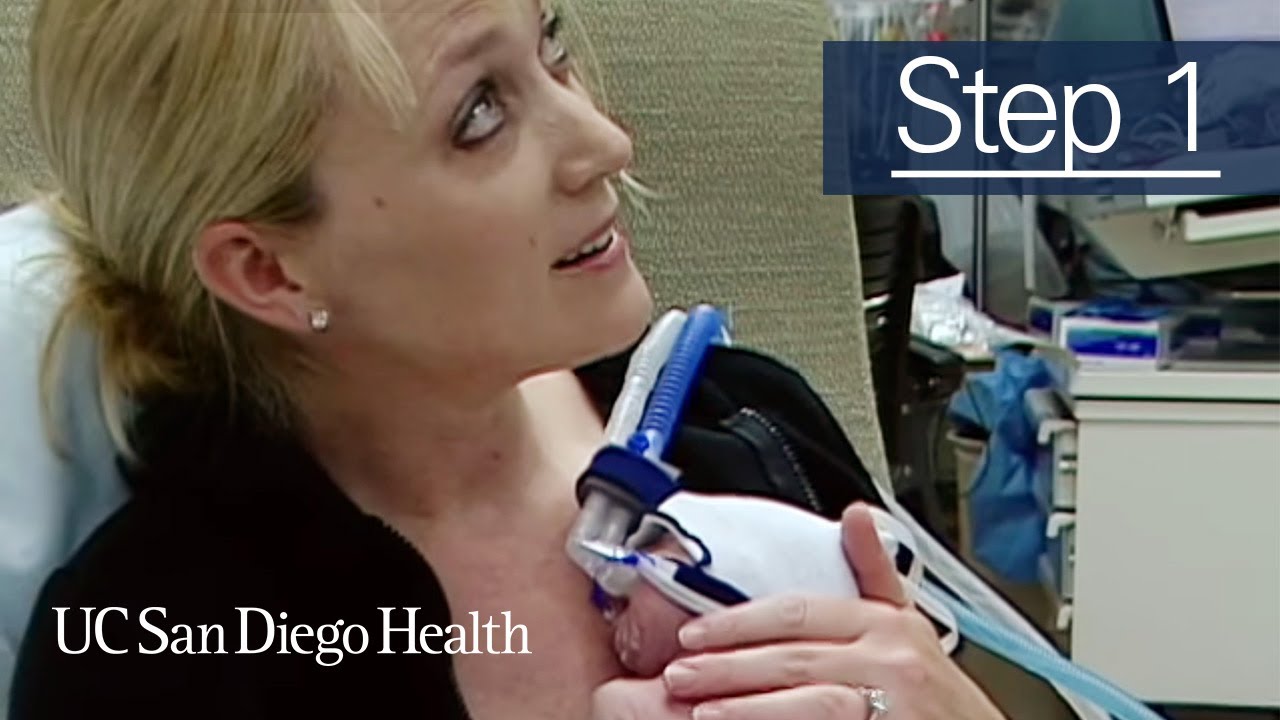
Breastfeeding NICU Preemies, Step 1: Skin-to-Skin Contact

Breastfeeding NICU Preemies: Step 2: First Time at the Breast

Breastfeeding NICU Preemies, Step 3: Learning to Breastfeed
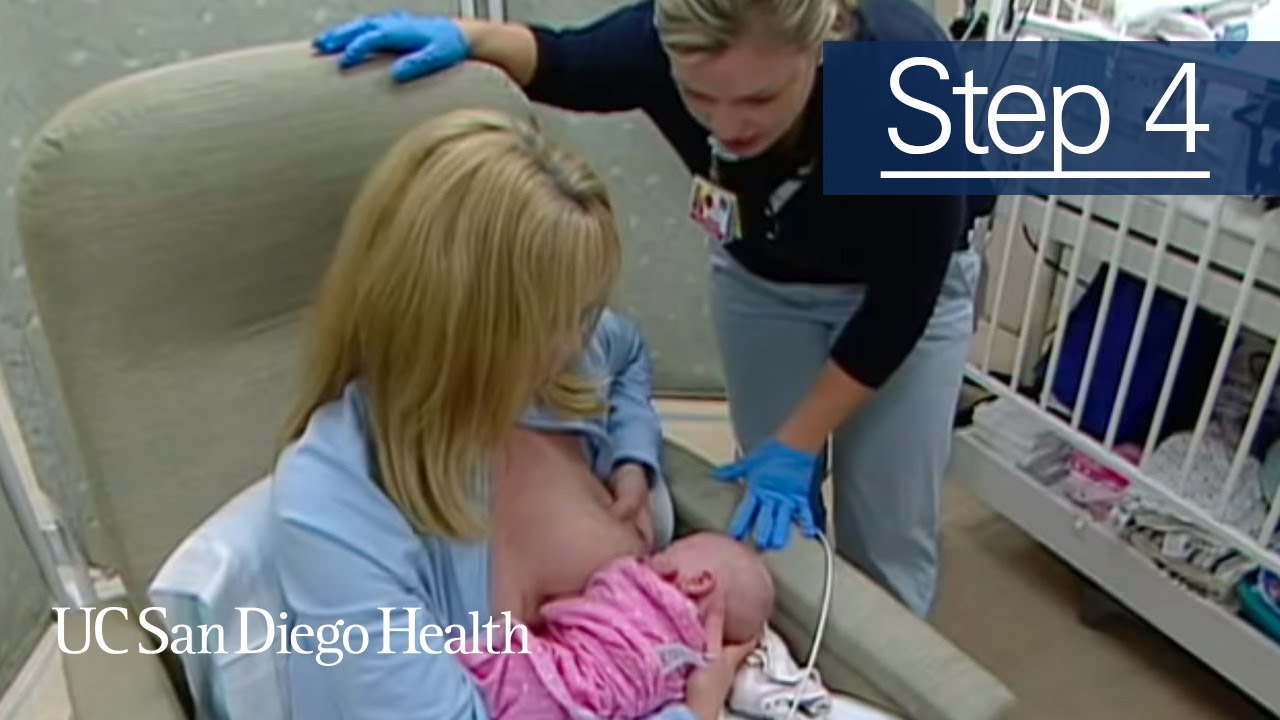
Breastfeeding NICU Preemies, Step 4: Getting Better at Breastfeeding

Breastfeeding NICU Preemies, Step 5: Getting Ready to Go Home
Supporting Premature Infant Nutrition (SPIN) This playlist includes videos about breastfeeding and providing breast milk for premature babies. The videos explain how to build and maintain your milk supply, express and store breast milk, and support your baby's growth while they are in the neonatal intensive care unit (NICU). These videos are designed to help parents and caregivers care for premature infants and work with their healthcare team.

Websites
Medications & Milk Supply

MotherToBaby, LactRx Free, evidence-based information on the safety of medications, vaccines, and other exposures during breastfeeding. Includes English and Spanish resources, plus access to the LactRx app for up-to-date medication information.

InfantRisk Center Free, evidence-based resources on medication safety during pregnancy and breastfeeding, including drug information, educational materials, and access to the InfantRisk Helpline for healthcare professionals and families.

First Droplets This website offers free videos and information to help families prepare for breastfeeding before and after birth. Topics include breastfeeding in the first hour after delivery, hand expression, building and protecting your milk supply, helping your baby latch, pumping, and feeding premature babies. The website also includes resources for healthcare professionals and families who want to learn more about breastfeeding.
Breastfeeding Education
Galactagogue Guide An evidence-based guide to medications, herbs, and supplements used to support milk production, including information on effectiveness, safety, dosing, and potential side effects.


Physician Guide to Breastfeeding Free, evidence-based guidance on breastfeeding, lactation, and common feeding challenges for families, healthcare professionals, and lactation consultants. Includes articles, videos, handouts, and clinical resources.
Patient Handouts


IABLE Handouts
Free, evidence-based breastfeeding handouts for families on topics such as milk supply, pumping, medication use, and infant feeding. Many handouts are also available in Spanish.
Academy of Breastfeeding Medicine Handouts
Free, evidence-based handouts on breastfeeding topics such as mastitis, bedsharing, newborn hypoglycemia, and substance use. Many handouts are available in multiple languages, including Spanish.